A useful room begins with observation. Take what serves you, adapt it to your space, and leave room for the home to change.
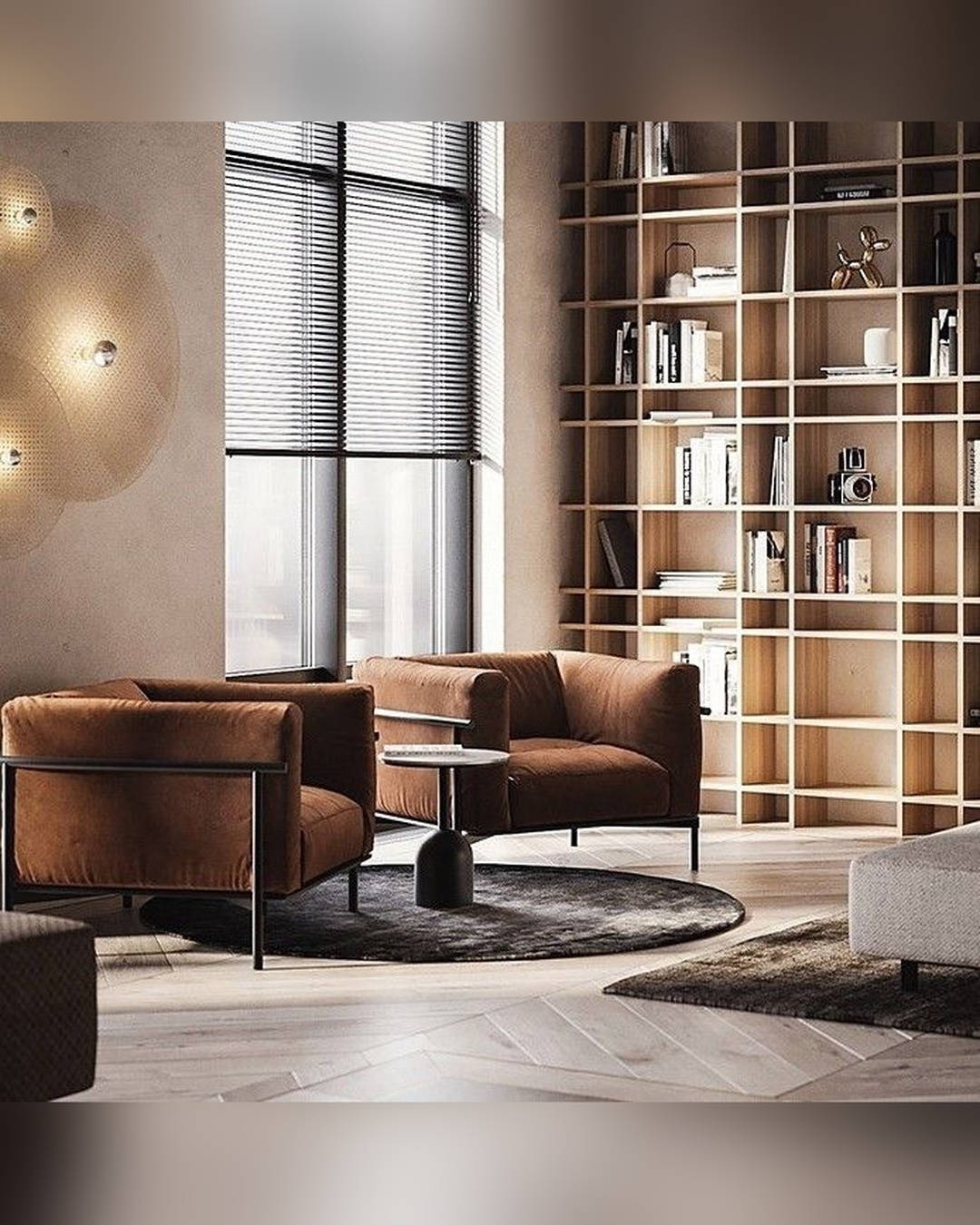
Start with a collection, not a shopping list
A shelf can hold the books you read and the objects that matter to you. It does not need to imitate a showroom. This exercise starts with one shelf and one short editing session. Use an existing unit as intended, following its manufacturer instructions for loading and any required anchoring; this is styling guidance, not installation advice.
Choose one shelf and photograph the starting point
Take your own reference photograph before changing the arrangement. Put the objects you are considering on a nearby surface and separate the items you use frequently from those you display. Keep the rest of the unit as it is so you can compare a single change. Do not describe this as a makeover until you have made and documented the change. A personal before photograph is a planning aid; it is not evidence that any arrangement will work in every home.
Return the items you reach for first
Give frequently used books or objects positions you can access comfortably. Check that removing one does not require dismantling a decorative stack. Practical access is a useful constraint because it tells you where decoration can go. If an item has a special storage requirement, follow that requirement. Avoid using a decorative container to hide something you need every day unless retrieving it remains straightforward.
Choose one object that deserves attention
Pick a framed personal photograph, a ceramic piece, or another object you want to see. Try it alone, then beside a smaller companion. Compare the two versions rather than automatically building a group of three. You can also let a row of favorite books be the focus. A meaningful arrangement does not require a newly purchased decorative object.
Leave some shelf surface visible
After returning the useful items and the object you chose, pause before filling the remaining space. An empty area is an option, not a mistake to fix. Step back to your normal viewing distance and decide whether another item contributes anything you want. If the shelf still feels crowded, remove the least meaningful display item before rearranging everything else. Repeat the experiment on another shelf only after the first arrangement feels useful.
Repeat a detail without repeating the whole shelf
A color, material, or shape can appear on a second shelf without duplicating the first arrangement. Try a color already present on a book cover or a personal print. Keep the objects themselves varied if that reflects your collection. Resist the urge to buy a set solely for repetition. One existing object may be enough to test the idea.
Keep a record of what worked
Take your own after photograph from the same position as the first. Note which items became easier to retrieve and which arrangement you preferred. If the shelf becomes a dumping place again, review the routine it supports rather than adding more decor. Use your notes as the brief for any new storage. Measure the space and verify the unit's instructions before deciding that a basket, bookend, or extra container belongs there.
Sources & method
This is original editorial planning or inspiration, not a hands-on product test. Styling choices are editorial suggestions. Product-specific instructions and your own measurements take priority. Revision 2; human review pending. These are original styling suggestions. No model-specific product specifications or testing claims are made. Product recommendations require a separate evidence review.